In-House Plastic Card Printer: Take Control of Card Production
Table of Contents []
- Why Plastic Card ID Is the Go-To Source for Your In-House Plastic Card Printer
- Choosing the Right In-House Plastic Card Printer for Your Volume
- Fargo, Zebra, and Matica: Security, Durability, and Speed
- Supplies and Consumables: Keeping Your Card Program Running
- What Organizations Are Actually Printing In-House
- Buyer's Guide: Questions to Ask Before You Purchase
- The Operational Case for Bringing Card Printing In-House
- Connect with Plastic Card ID and Start Printing In-House Today
Why Plastic Card ID Is the Go-To Source for Your In-House Plastic Card Printer
 Somewhere between the third outsourced card order that arrived late and the second batch that came back with the wrong names, most organizations reach the same conclusion: it's time to bring card production in-house. That decision - simple in theory, surprisingly nuanced in execution - is exactly where Plastic Card ID earns its reputation. With more than 25 years supplying professional-grade card printing hardware to businesses across the United States and a customer base that has grown past 100,000, they've seen virtually every use case imaginable.
What makes an in-house plastic card printer genuinely transformative isn't just the ability to print cards. It's the control - over timing, over personalization, over encoding, over cost per card. When a new employee walks in on Monday morning, your HR team shouldn't be waiting on a vendor's two-week turnaround to get that person a working ID badge. On-demand card printing changes the operational rhythm of an entire organization. And Plastic Card ID exists to make that transition smooth, well-equipped, and supported every step of the way.
The product lineup at CPE isn't a wholesale catalog of every printer on the market - it's a curated selection of what actually works at scale, from the brands that have earned trust through consistent performance: Evolis, Fargo, Zebra, and Matica. Each has its place. Each serves a distinct organizational profile. Knowing which one fits yours is the starting point, and that's where this guide begins.
| Printer Model | Brand | Volume Range | Best For |
|---|---|---|---|
| Badgy200 | Evolis | Under 1,000 cards/year | Small businesses, clubs, nonprofits |
| Zenius | Evolis | 1,000-3,000 cards/month | Mid-size businesses, schools |
| Primacy2 | Evolis | Up to 6,000 cards/month | Corporate ID, access control |
| Agilia | Evolis | High-volume, premium output | Edge-to-edge, top-tier quality |
| Fargo Series | Fargo | Variable | Security-focused ID programs |
| Zebra Series | Zebra | Variable | Enterprise-grade durability |
| Event Printer | Matica | High-speed, on-site bursts | Event credentialing, conferences |
Choosing the Right In-House Plastic Card Printer for Your Volume
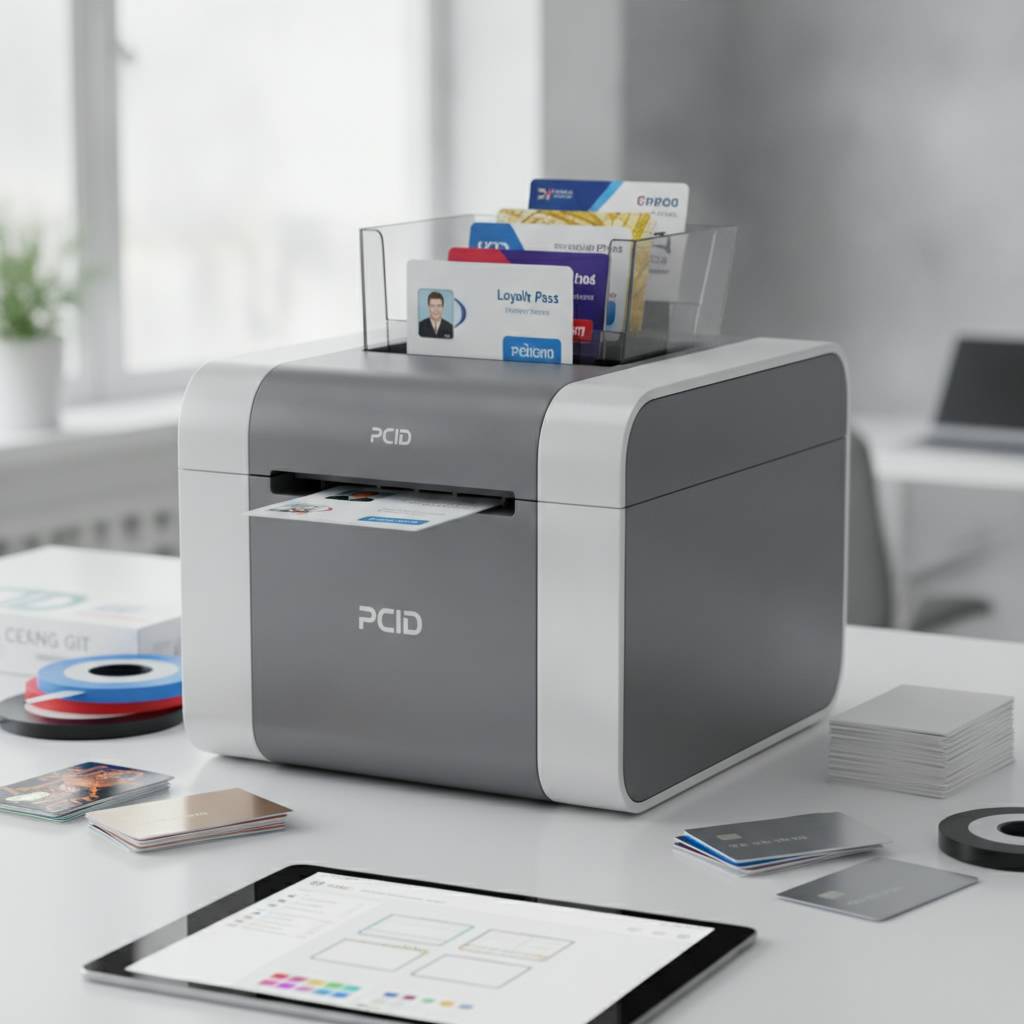 Volume is the first question - not because it's the most exciting, but because getting it wrong is costly. Buying an underpowered printer for a high-output environment means jams, overheating, and ribbon waste. Overbuying for a low-volume office means paying for industrial capacity you'll never use. Plastic Card ID has structured its lineup to match real-world organizational needs, not arbitrary product tiers.
The honest reality is that most organizations fall into one of three broad categories: light-use (fewer than 1,000 cards annually), moderate production (1,000-6,000 cards monthly), and high-throughput environments where output, encoding complexity, and print quality all converge into demanding technical requirements. Each bucket calls for a meaningfully different machine.
Entry-Level: The Evolis Badgy200
Small business owners, community organizations, school clubs, and nonprofits rarely need an industrial workhorse - what they need is reliability, simplicity, and a printer that doesn't require a dedicated IT administrator to operate. The Evolis Badgy200 delivers exactly that. It's designed for environments printing fewer than 1,000 cards per year, where ease of use and compact footprint matter most.
Don't mistake entry-level for entry-quality. The Badgy200 produces crisp, professional-looking ID cards that carry your organization's brand with authority. Setup is genuinely straightforward, and the accompanying software handles basic card design without requiring graphic design expertise. For the right use case, it's the smartest buy in the entire lineup.
Mid-Range Workhorses: Evolis Zenius and Primacy2
Step up in volume, and the game changes considerably. The Evolis Zenius handles the 1,000-3,000 cards-per-month range with single-sided printing and a clean, modular design that allows for encoding upgrades as your program grows. The Primacy2 pushes further - up to 6,000 cards monthly - and introduces dual-sided printing along with magnetic stripe encoding as standard or optional configurations depending on your build.
Dual-sided printing and magnetic stripe encoding are not luxuries for many organizations - they're operational requirements. Access control systems, employee badges that double as building key cards, membership cards that swipe at point-of-sale terminals: these use cases demand what the Primacy2 delivers. CPE recommends the Zenius-to-Primacy2 progression path as the most common upgrade trajectory among growing mid-size businesses.
Premium Output: The Evolis Agilia
When print quality is non-negotiable - when your card is the first impression, the brand statement, the security credential that must look authoritative at a glance - the Evolis Agilia enters the conversation. It delivers edge-to-edge printing with a level of color accuracy and surface definition that separates professional card programs from amateur ones.
The Agilia suits organizations where cards carry premium visual weight: hospitality brands, financial institutions issuing non-payment VIP cards, corporations with rigorous identity design standards. This is the machine for organizations that refuse to compromise on output quality, regardless of volume.
Fargo, Zebra, and Matica: Security, Durability, and Speed
Evolis is a strong foundation, but it's not the only answer. Fargo and Zebra have built decades of credibility in security-sensitive card printing environments, where tamper resistance, encoding precision, and audit-trail compatibility are non-negotiable. Plastic Card ID carries both brands specifically because certain customer profiles - government contractors, healthcare systems, large enterprise security programs - need what Fargo and Zebra are built to provide.
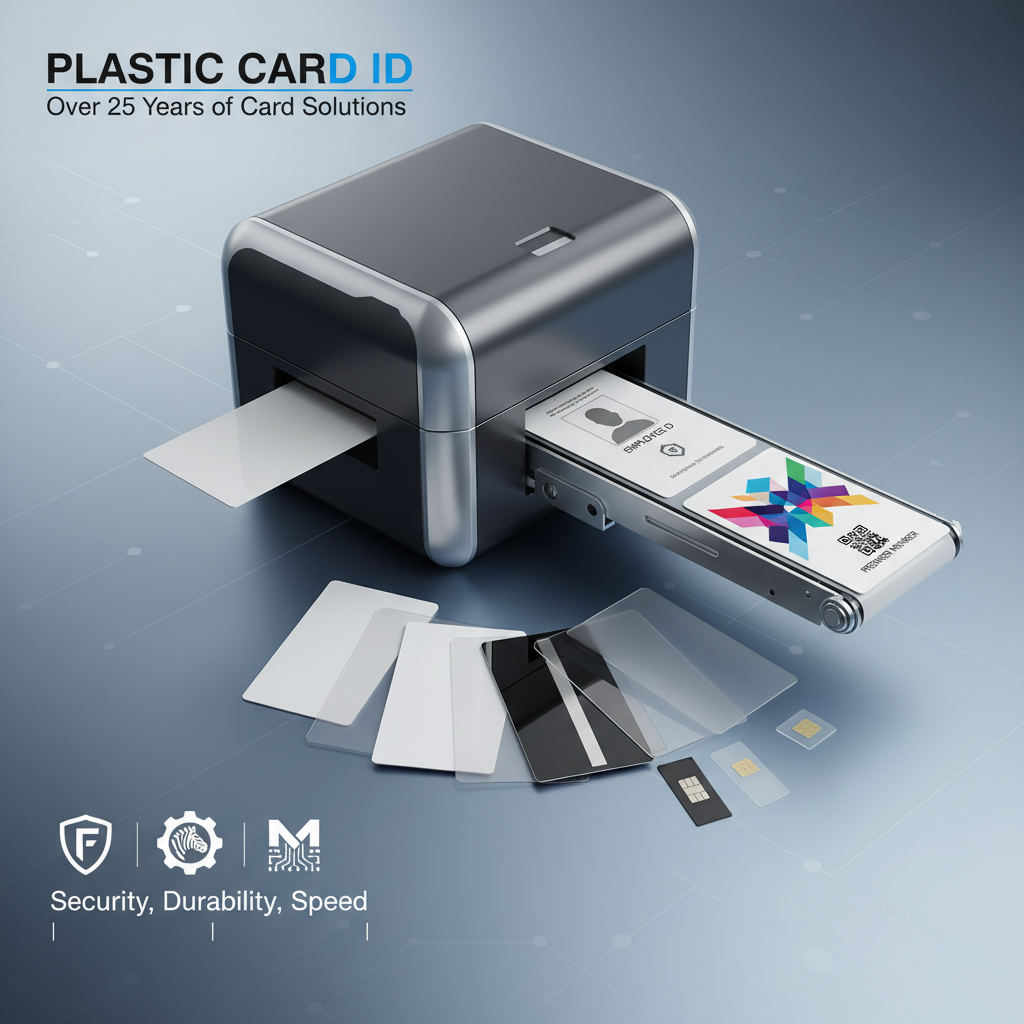
Then there's a scenario that Evolis, Fargo, and Zebra weren't primarily designed for: the high-speed, on-site credentialing burst. Conferences, trade shows, sporting events, large-scale training days - situations where you need to print hundreds of badges quickly, on location, with no margin for technical fumbling. That's the Matica Event Printer's domain, and it handles it well.
Fargo Printers: Built for Security-First ID Programs
Fargo printers have earned a particular following among organizations where card security isn't just a preference - it's a compliance requirement. Features like HID encoding, smart chip compatibility, and advanced lamination overlays make Fargo systems a natural fit for access control programs, government-adjacent organizations, and healthcare facilities managing secure staff credentialing.
The build quality is deliberate. These aren't machines designed for the lightest possible footprint - they're engineered for environments where reliability under continuous use and integration with existing security infrastructure takes priority. CPE can help match the right Fargo model to your specific security program requirements.
Zebra Printers: Enterprise Durability at Scale
Zebra's card printer lineup reflects the same design philosophy behind all of their hardware: build it tough, make it integrable, and support it long-term. For large enterprises managing thousands of employee credentials, student IDs across multiple campuses, or hotel key card programs serving hundreds of rooms nightly, Zebra offers the kind of throughput and system compatibility that enterprise IT departments trust.
Integration with enterprise identity management systems is where Zebra particularly shines. When your card printer needs to talk to Active Directory, your access control system, or your HR database without friction, Zebra's ecosystem was built with exactly that in mind. Call 800.835.7919 to discuss which Zebra configuration fits your organization's technical environment.
Matica Event Printer: When Speed Is the Mission
There is almost nothing more chaotic than a credentialing line at a large event. The Matica Event Printer was purpose-built to eliminate that chaos. Print speeds that compress what would otherwise be a 20-minute queue into a manageable flow, coupled with robust construction that travels well and performs under the physical demands of on-site deployment.
Event organizers, conference managers, and corporate training coordinators who have suffered through slow badge printing know exactly what this printer addresses. Speed, portability, and reliability in a single package - the Matica Event Printer is a specialized tool that solves a very specific, very real problem with efficiency that generalist printers simply cannot match.
Supplies and Consumables: Keeping Your Card Program Running
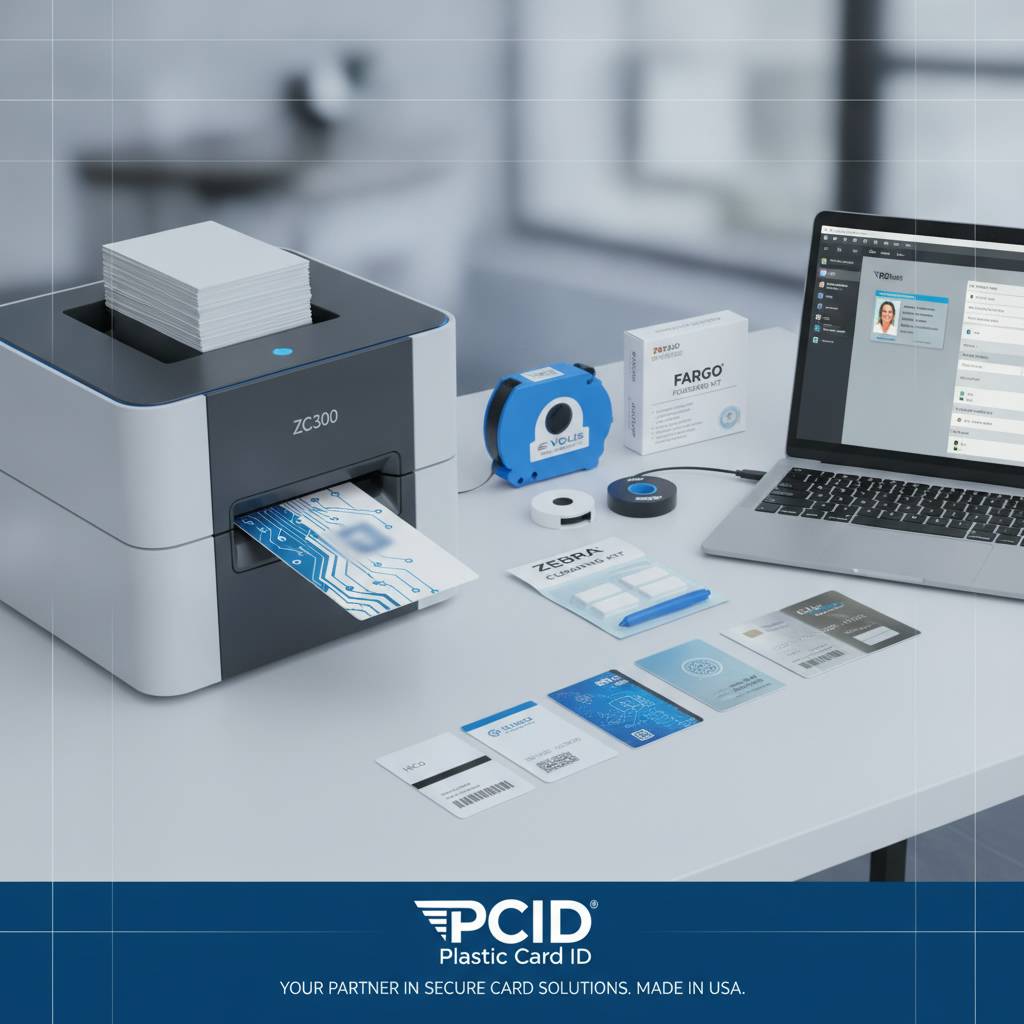 A printer without consumables is just hardware on a shelf. The ongoing operational success of any in-house plastic card printer program depends on a steady, reliable supply of the right ribbons, cleaning kits, and encoding materials - matched precisely to the printer model and the card types being produced. Plastic Card ID supplies everything required to keep production moving without interruption.
This is not an afterthought in the purchasing decision. Over the life of a printer, consumable costs accumulate significantly. Choosing the right ribbon type for your output volume and card design isn't just a technical decision - it's a financial one. YMCKO ribbons, monochrome options for single-color printing, and specialty ribbons for overlay and security applications all carry different yield profiles and cost-per-card implications.
Printer Ribbons: YMCKO, Monochrome, and Specialty
YMCKO ribbons - yellow, magenta, cyan, black, and overlay - are the standard for full-color card printing. They produce the vibrant, photographic-quality output most organizations associate with professional ID cards. Monochrome ribbons, by contrast, deliver single-color output at a lower cost-per-card, making them the right choice for organizations printing cards where full color isn't required.
Specialty ribbons add security and durability layers that basic ribbons cannot. Lamination overlays protect card surfaces from wear. UV-reactive ribbons embed features only visible under ultraviolet light - a common anti-counterfeiting measure in secure credentialing programs. CPE stocks ribbons compatible with every printer model they carry, taking the compatibility guesswork entirely off the table.
Cleaning Kits and Maintenance Supplies
Printer maintenance is one of the most frequently overlooked aspects of an in-house card program, right up until a print head fails or card quality begins degrading unexpectedly. Regular cleaning - using the kits designed specifically for each printer model - extends hardware life dramatically and maintains consistent output quality between full service intervals.
A cleaning regimen isn't optional; it's operational discipline. Dust, card debris, and ribbon residue accumulate with every print cycle. Plastic Card ID supplies model-specific cleaning kits that make routine maintenance a five-minute task rather than a technical event, keeping your printer performing at the level you need it to.
Encoding Upgrades, Hoppers, and Card Accessories
Many organizations start with basic printing and expand into encoding as their program matures. Magnetic stripe encoding, smart chip encoding, and contactless (RFID) configurations are available as factory options or field-installed upgrades on compatible models. Input hoppers extend card capacity for high-volume runs, reducing the need for manual card loading during large print batches.
Card carriers and sleeves round out the accessory lineup. Whether your cards are distributed individually, stored in wallets, or hung on lanyards in active environments, protecting the card after it's printed is as important as the print quality itself. Plastic Card ID supplies carriers and sleeves suited to the card types their printers produce.
What Organizations Are Actually Printing In-House
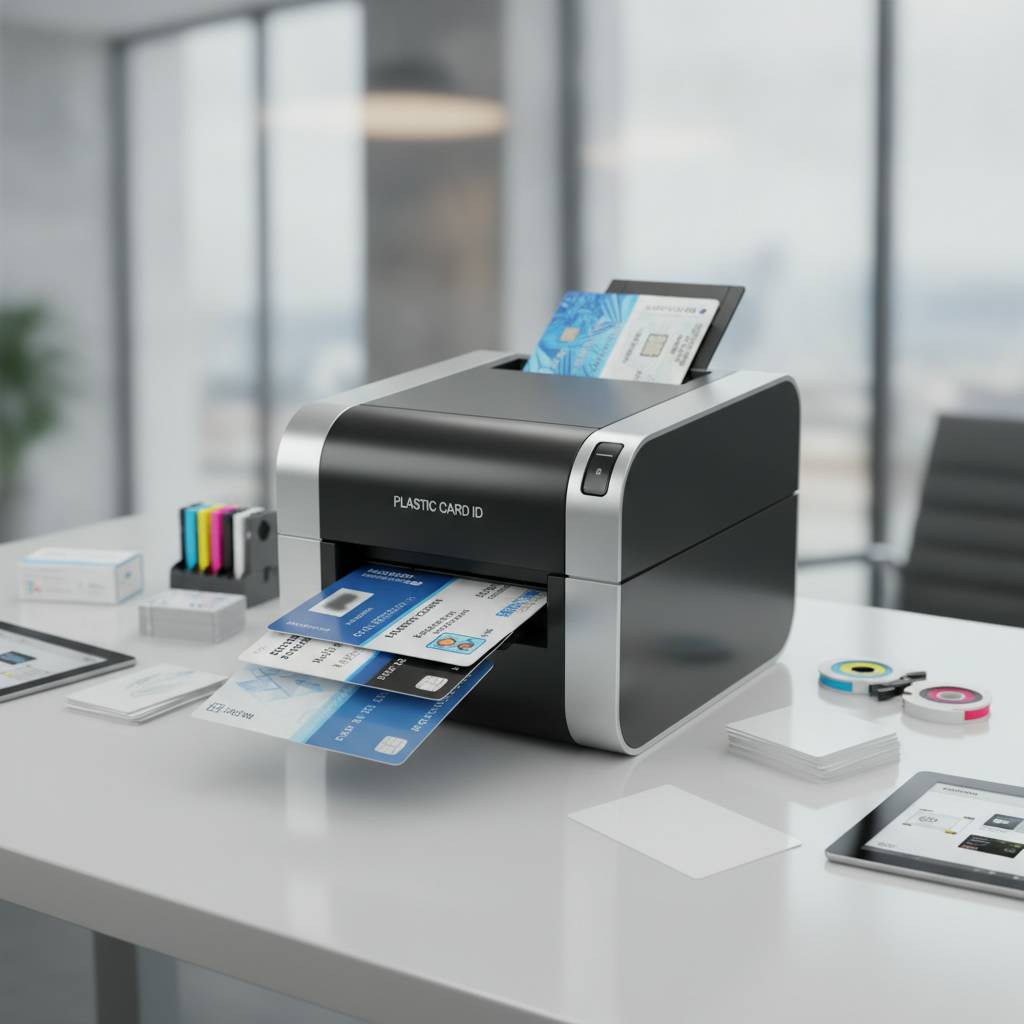 The applications for an in-house plastic card printer are broader than most buyers initially appreciate. Employee ID badges are the obvious starting point - but the same hardware that prints a staff credential can produce a loyalty card, an access control card, a student ID, or an event badge with equal competence. The card type changes; the printer capability does not.
Understanding the full scope of what your printer can produce often changes the ROI calculation entirely. Organizations that start with employee IDs frequently discover additional use cases that would have required separate vendor relationships before bringing card production in-house. That consolidation of capability is one of in-house printing's less obvious but genuinely significant advantages.
Employee IDs, Access Control, and Security Credentials
The most common in-house printing application remains employee ID badge production - and for good reason. Personnel change. New hires, contractors, temporary staff, and badge replacements for lost cards create a continuous printing demand that external vendors serve poorly. On-demand badge printing eliminates the waiting entirely, ensuring every person walking your facility is properly credentialed from day one.
Access control cards add a technical layer: magnetic stripe or smart chip encoding that the building's door readers recognize. When your in-house plastic card printer handles both the visual printing and the encoding in a single pass, you've collapsed what was previously a multi-vendor workflow into a single, controlled, in-house process.
Membership, Loyalty, and Student ID Programs
Gyms, associations, libraries, retail loyalty programs, and educational institutions all share a common challenge: managing a card population that fluctuates constantly as members join, leave, and require replacements. Outsourcing that production means minimum order quantities, lead times, and per-card costs that compound quickly. In-house printing removes all three constraints simultaneously.
Student ID programs at schools and universities present a particularly strong case for in-house production. Enrollment changes daily during add/drop periods. Cards double as library access, meal plan authentication, and building credentials. The ability to print a functional, fully encoded student ID in minutes - rather than days - has real operational value that translates directly into staff time saved.
Hotel Key Cards and Event Credentials
Hospitality operations and event managers occupy a unique position in the in-house card printing landscape. Hotel key cards require magnetic stripe encoding matched to specific room configurations - a technical requirement that demands encoding-capable hardware and reliable, repeatable output. The Evolis Primacy2 and compatible Fargo models handle hotel key card production with the encoding precision that hospitality operations require.
Event credentialing is its own discipline. The ability to print personalized badges on-site, on demand, for registered attendees - complete with names, photos, session access tiers, and organizational affiliations - transforms the check-in experience and eliminates the logistical nightmare of pre-printed badge sets that never perfectly match actual attendance. The Matica Event Printer was built for exactly this environment.
Buyer's Guide: Questions to Ask Before You Purchase
The in-house plastic card printer market isn't particularly complicated once you know what to look for - but buyers who skip the evaluation process often end up with hardware that underserves them within 12 months. CPE has worked with enough organizations to know which questions reliably surface the right purchasing decision, and which assumptions reliably lead to buyer's remorse.
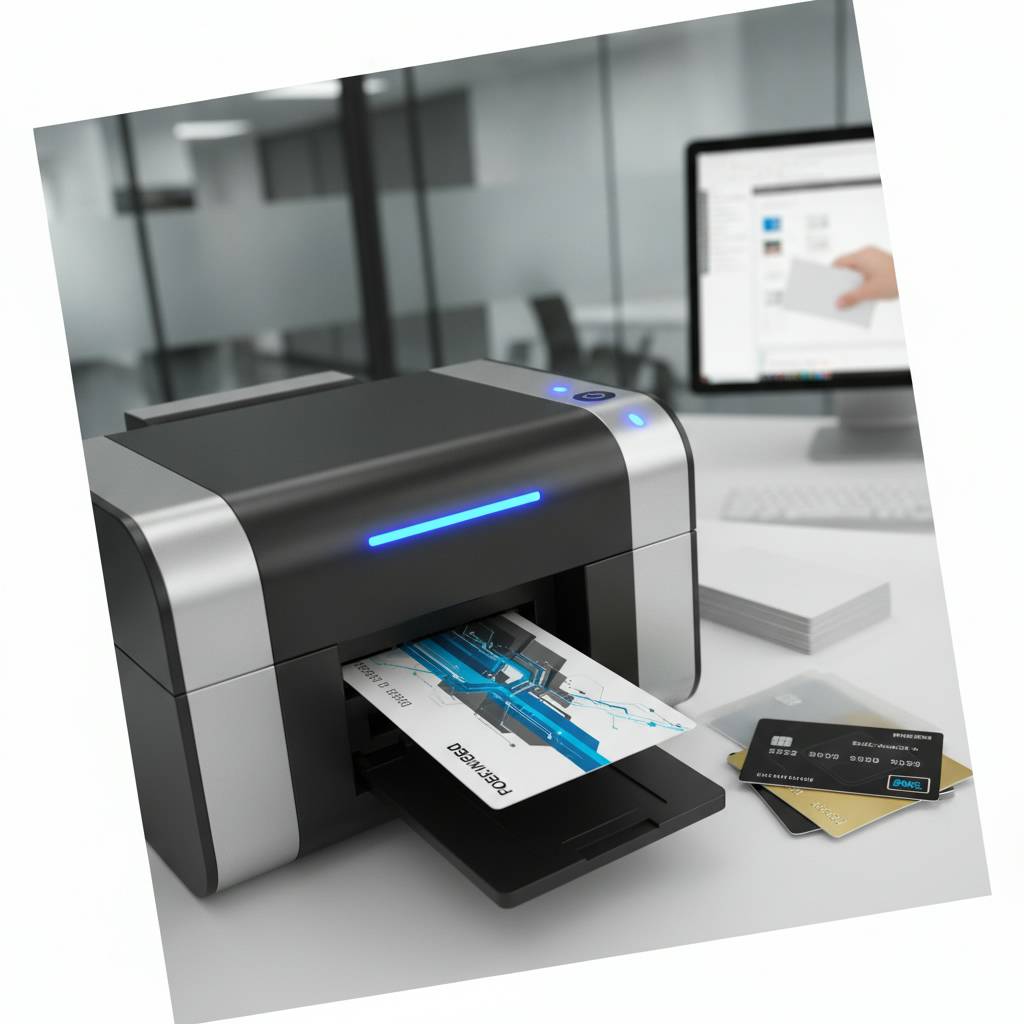
The hardware decision is only part of the picture. Software compatibility, ribbon type, encoding requirements, and consumable availability all factor into total cost of ownership in ways that per-unit printer price alone doesn't capture. Here's how to think through the decision systematically.
Key Questions Every Buyer Should Answer
- How many cards will I print per month? This single number narrows your printer options dramatically and prevents both under- and over-buying.
- Do I need single-sided or dual-sided printing? Cards with information on both sides require a dual-sided printer or a manual flip process - know which applies to your card design.
- Do my cards need magnetic stripe or chip encoding? Not all printers include encoding hardware; verify compatibility before purchasing.
- What card design software will I use? Some printers include bundled design software; others require third-party solutions. Check compatibility.
- What is my total cost per card? Factor in ribbon yield, cleaning kit costs, and card stock prices - not just the printer's purchase price.
- Will I need to print on-site at events or remote locations? Portability and power requirements become relevant considerations for mobile deployments.
- What warranty and support options are available? Downtime in a card printing operation has real operational consequences; understand your support coverage.
Understanding Total Cost of Ownership
The sticker price of an in-house plastic card printer is rarely the number that matters most over the life of the machine. A higher-yield ribbon cuts per-card costs significantly over time. A printer with a longer head life requires fewer expensive service events. Organizations that calculate total cost of ownership consistently make better purchasing decisions than those focused solely on upfront hardware price.
Plastic Card ID can walk you through a cost-per-card analysis based on your anticipated print volume and card type, giving you a complete financial picture before the purchase decision is made. Reach the team directly at 800.835.7919 to start that conversation with a real person who knows the product line thoroughly.
Avoiding Common First-Time Buyer Mistakes
Buying a printer without confirming ribbon compatibility is the most frequent avoidable mistake in the first-time buyer category. Second on the list: underestimating monthly print volume, which leads to overworking a printer rated for lighter use. Third: not planning for consumable supply continuity, which can bring an entire card program to a halt when ribbons run out unexpectedly.
None of these mistakes are difficult to avoid when you have an experienced supplier guiding the initial setup. That's precisely what CPE offers - not just hardware, but the institutional knowledge to help buyers configure and operate their card programs correctly from day one.
The Operational Case for Bringing Card Printing In-House
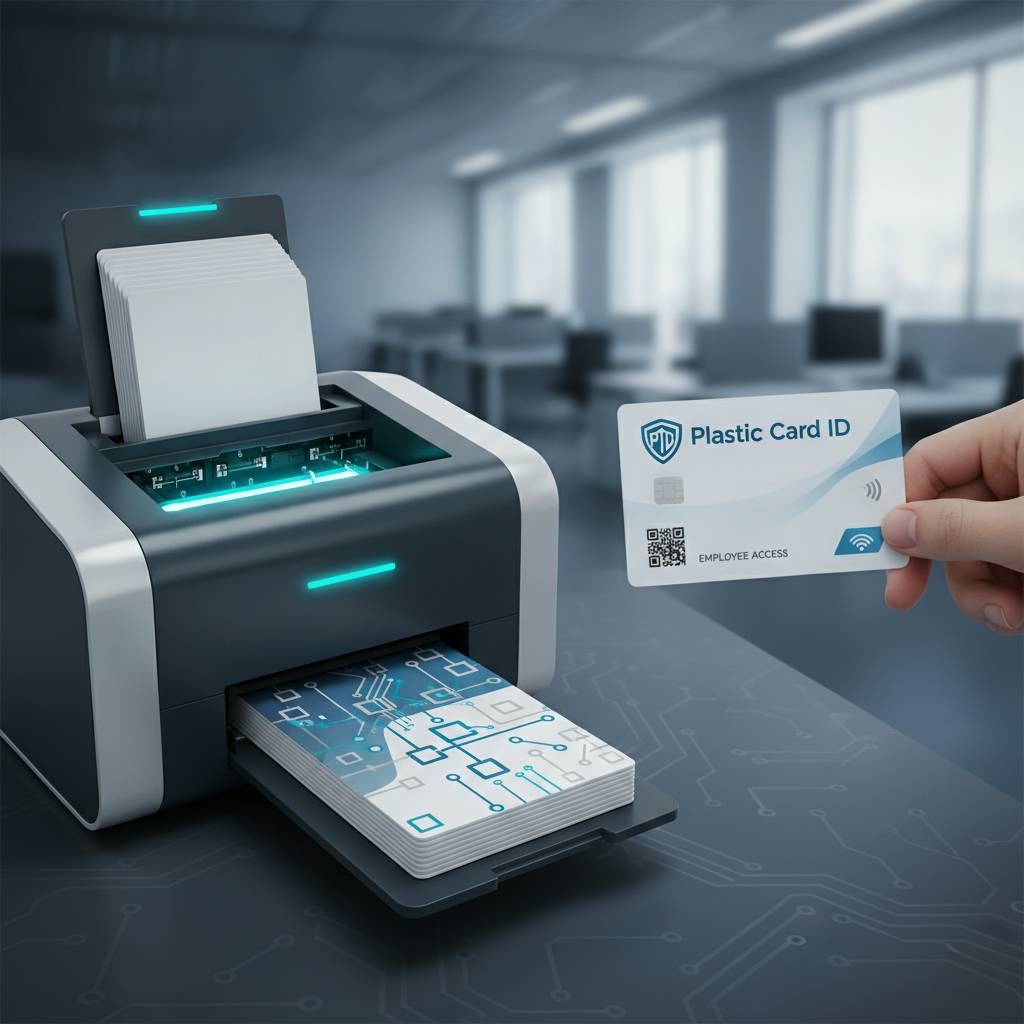 It's worth being direct about what in-house plastic card printing actually delivers beyond the obvious convenience of printing on your own schedule. Control is the core value proposition - and control compounds in ways that become clearer over time. When your card program is entirely in-house, you own every variable: design changes, encoding updates, card replacements, batch timing, personalization depth, and cost structure.
External card vendors introduce dependencies at every one of those points. A design revision that should take an afternoon becomes a multi-week vendor communication cycle. A new hire who needed a badge yesterday gets one next Tuesday. A loyalty card promotion that requires a rush print run becomes an emergency with a premium price tag attached. In-house production eliminates the dependency at its root.
Speed, Personalization, and Elimination of Lead Times
Lead time elimination is, for most organizations, the immediate operational benefit that justifies the investment. A printer on your floor means cards printed today - not next week, not after minimum order quantities are met, not subject to a vendor's production schedule. For HR teams, facility managers, and event coordinators, that responsiveness has tangible value that translates into real staff hours recovered.
Personalization goes deeper than names and photos. Variable data printing allows each card in a batch to carry unique information - unique access tier indicators, unique membership numbers, unique chip or magnetic stripe encoding. The kind of individualization that would require expensive custom orders from external vendors is a standard function of professional-grade in-house hardware.
Cost Control and Program Scalability
Organizations that outsource card production consistently pay a premium for small runs. Minimum order quantities force them to either overorder and inventory excess cards or pay inflated per-unit pricing for small batches. In-house printing breaks that dynamic entirely. Print one card or print one hundred - the cost structure is the same, and the per-card cost decreases steadily as volume increases and consumables are purchased efficiently.
Scalability matters too. A card program that starts with employee IDs can expand to include access control encoding, visitor badges, and loyalty cards without requiring new vendor relationships or program infrastructure. The printer scales with the program - and Plastic Card ID stocks the supplies and upgrades to support that growth at every stage.
Ready to evaluate which in-house plastic card printer fits your organization's needs? The team at Plastic Card ID is ready to help you match hardware to use case, calculate total cost of ownership, and get your card program running efficiently.
Connect with Plastic Card ID and Start Printing In-House Today
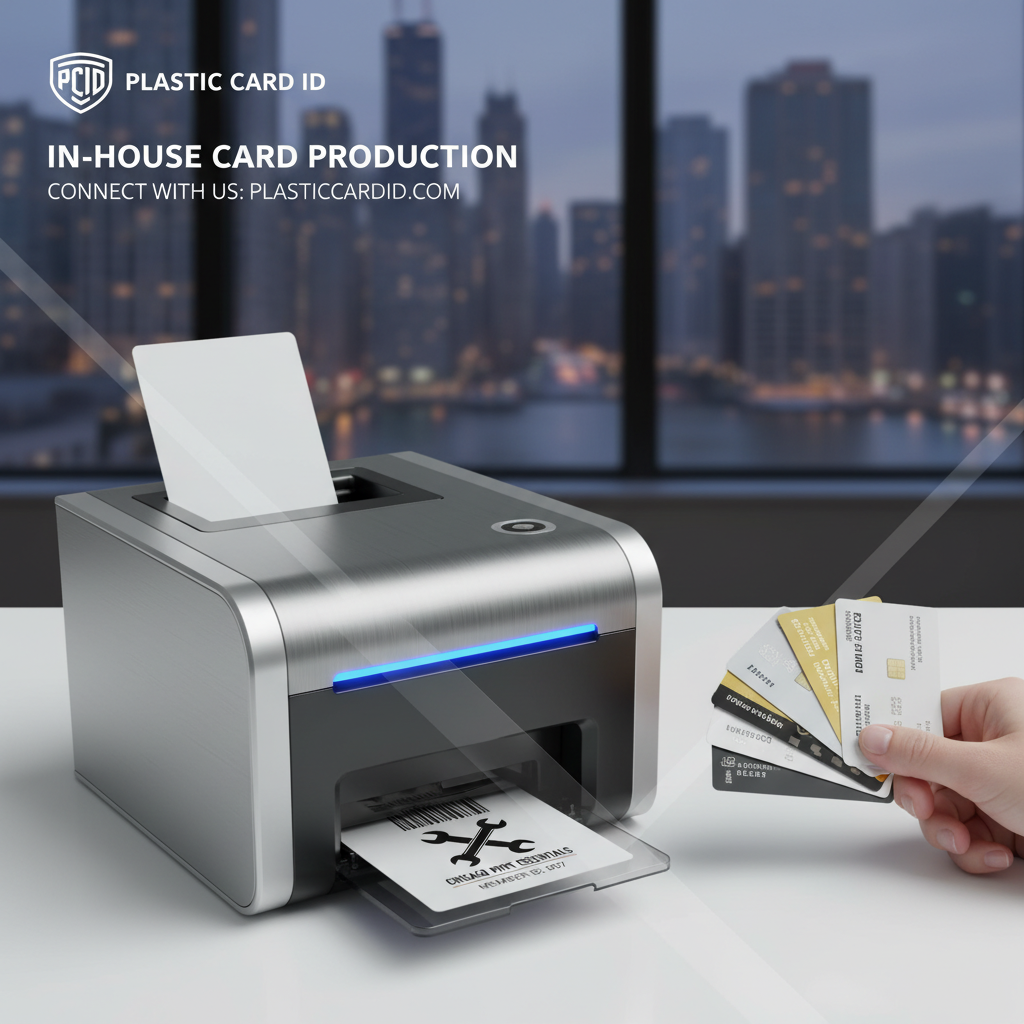 There's a reason Plastic Card ID has served more than 100,000 customers over the course of 25-plus years in the card printing industry. It's not just the product selection - though a curated lineup of Evolis, Fargo, Zebra, and Matica hardware covering every production scale is genuinely difficult to match. It's the combination of product depth, consumable availability, and the kind of buyer support that turns a hardware purchase into a functioning, well-run card program.
Whether you're printing 200 employee badges a year or 6,000 access control cards a month, the right in-house plastic card printer exists in this lineup - and the right consumables, encoding upgrades, and accessories to support it are available from the same source. That consolidation matters when production continuity is on the line.
Plastic Card ID is your complete source for professional in-house plastic card printers, supplies, and program expertise. Call 800.835.7919 today and put 25 years of card printing knowledge to work for your organization.
Previous Page