Best Plastic Card Printer: Top Picks for Every Budget
Table of Contents []
- Finding the Best Plastic Card Printer for Your Organization - Plastic Card ID
- Why In-House Card Printing Changes the Game
- The Best Plastic Card Printer Brands, Examined
- Matching Printer to Volume: A Practical Buyer's Guide
- Essential Supplies That Keep Your Card Program Running
- Use Cases Across Industries: Who Needs a Plastic Card Printer
- Frequently Asked Questions About Choosing the Best Plastic Card Printer
- Get the Right Printer the First Time - Plastic Card ID
Finding the Best Plastic Card Printer for Your Organization - Plastic Card ID
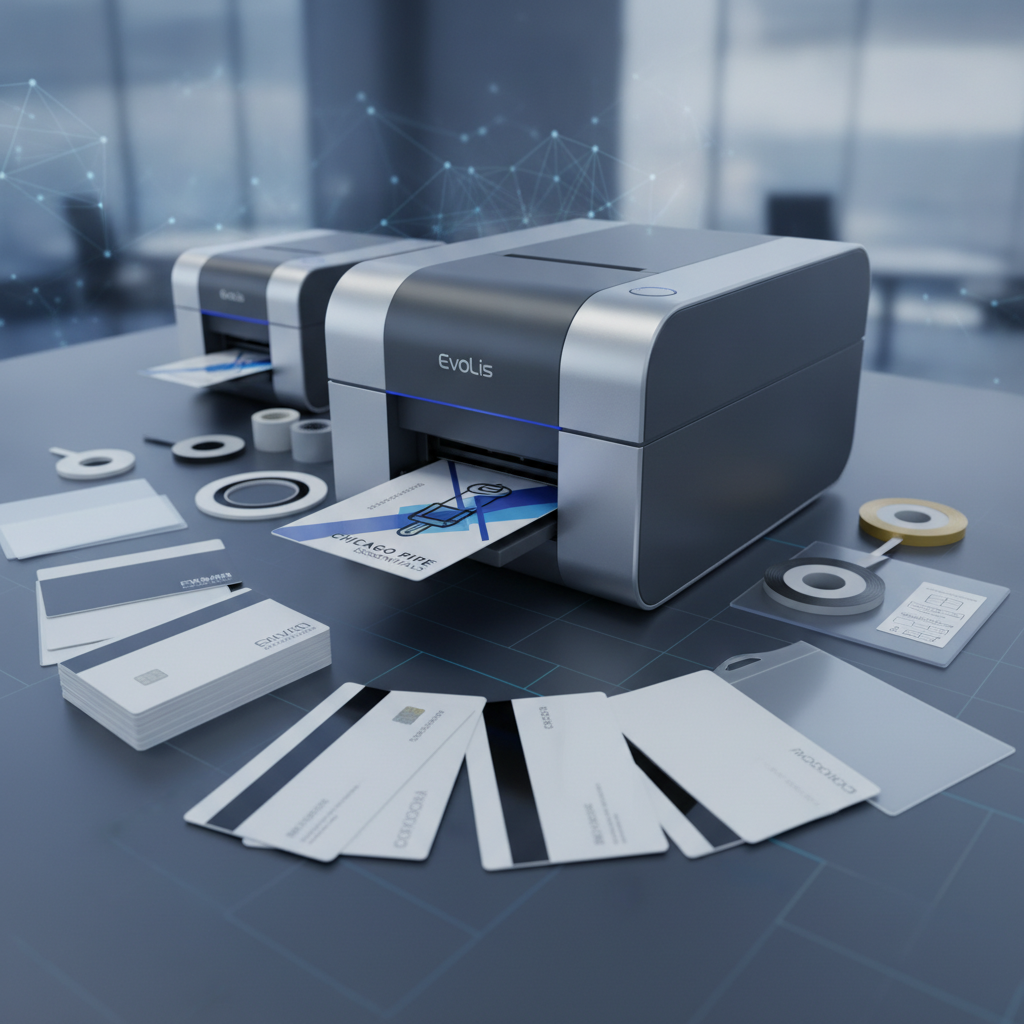 What actually separates a frustrating card printing experience from a smooth, professional operation? More often than not, it comes down to one decision made early: choosing the right printer. Not just any printer - the best plastic card printer for your specific volume, card type, and workflow. That's a surprisingly nuanced question, and getting it right pays dividends every single print run.
Plastic Card ID has spent over 25 years helping businesses across the United States answer exactly that question. With more than 100,000 customers served and a carefully curated lineup spanning Evolis, Fargo, Zebra, and Matica, the team at CPE has seen virtually every card printing scenario imaginable - and built a product catalog that speaks directly to each one.
Whether you're printing 200 employee badges a year or 6,000 membership cards per month, the right hardware is out there. This guide walks you through the landscape, the key decision points, and the brands that consistently deliver.
| Printer Model | Brand | Volume Range | Best Use Case |
|---|---|---|---|
| Badgy200 | Evolis | Up to 1,000 cards/year | Small offices, clubs, schools |
| Zenius | Evolis | 1,000-6,000 cards/month | Mid-size ID programs |
| Primacy2 | Evolis | 1,000-6,000 cards/month | Dual-sided, encoding options |
| Agilia | Evolis | High volume, premium output | Edge-to-edge, top-quality print |
| Event Printer | Matica | High-speed on-site | Events, conferences, venues |
Why In-House Card Printing Changes the Game
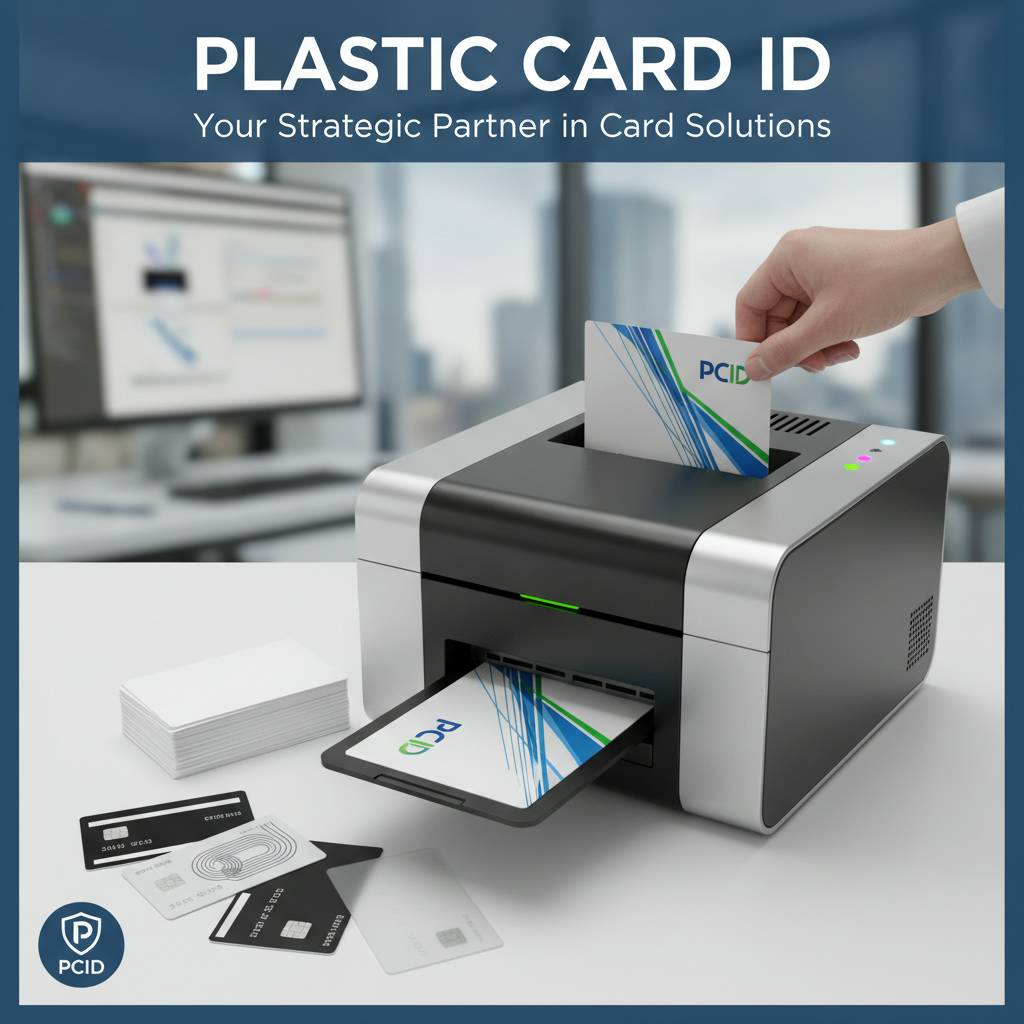 There's a moment every organization hits - the outside vendor missed a deadline, a batch came back with errors, or someone realized the cost-per-card from outsourcing had quietly ballooned past all reason. Bringing card printing in-house is often the decision that fixes all of that at once. Control, speed, and flexibility become yours immediately.
When you own a plastic card printer, you print what you need, when you need it. One new hire? Print one card. A last-minute membership drive generated 300 new sign-ups? Run the batch tonight. Encode a magnetic stripe, add a smart chip, personalize each card with a photo - none of that requires a purchase order to a third-party vendor or a multi-day wait. The production timeline becomes your own.
Total Control Over Your Card Program
With in-house printing, every card is produced on your schedule, not someone else's. Updates to card design - new branding, a revised logo, a change in cardholder data fields - get implemented immediately. No reprinting a 500-card minimum because one detail changed.
Organizations with ongoing card needs especially benefit. Hotels issuing fresh key cards daily, gyms enrolling new members weekly, schools printing student IDs each semester - these are exactly the environments where having dedicated hardware pays for itself quickly and consistently.
Per-Card Cost Advantages at Scale
Outsourcing typically costs anywhere from $1.50 to $5.00 per card when you factor in production, shipping, and minimum order requirements. An in-house plastic card printer dramatically reduces that figure. At moderate volumes, in-house printing costs can drop to $0.25-$0.75 per card, including ribbon and card stock.
The math gets more compelling as volume increases. A business printing 3,000 cards annually at $2.50 per outsourced card is spending $7,500 per year. The same output in-house might cost $1,200-$2,000 all-in after hardware and supplies. That payback period often lands under 12 months.
Encoding and Personalization Without Limits
Modern plastic card printers aren't just printing devices - they're encoding platforms. Magnetic stripe encoding, smart chip programming, and proximity card compatibility all exist within the same hardware footprint. Each card can carry unique encoded data tied to a specific employee, member, student, or guest.
That level of personalization isn't realistic to outsource efficiently. When every card is different - different name, different photo, different access level, different encoded data - in-house production isn't just convenient. It's the only practical option at any meaningful scale.
The Best Plastic Card Printer Brands, Examined
Not all card printers are built alike. The professional-grade brands carried by CPE represent the upper tier of the industry - hardware designed for consistent, high-quality output over thousands or tens of thousands of print cycles. Each brand brings a distinct engineering philosophy and a lineup tailored to specific operational needs.
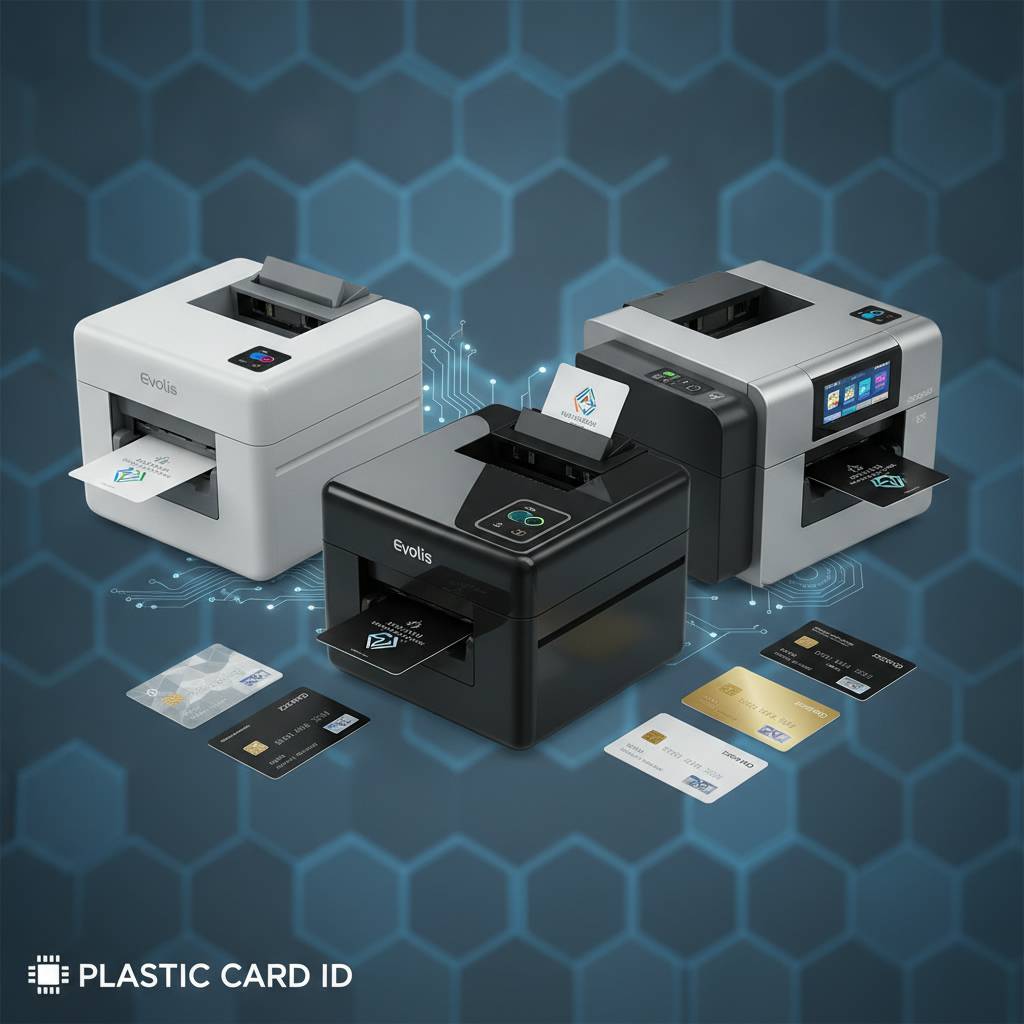
Understanding what differentiates Evolis from Fargo, or Zebra from Matica, helps you match hardware to workflow rather than just buying on price. The best plastic card printer for your organization is the one engineered for your exact use case - and the differences between these brands are meaningful enough to matter.
Evolis: Versatility Across Every Volume Tier
Evolis occupies a broad swath of the market, and for good reason. Their lineup spans from the approachable Badgy200 - ideal for organizations printing under 1,000 cards per year - all the way up to the Agilia, which delivers edge-to-edge, premium-grade output suitable for the most demanding card programs. Few brands offer that kind of range under a single umbrella.
Mid-range Evolis models like the Zenius and Primacy2 are where many businesses land. Reliable throughput in the 1,000-6,000 cards per month range, dual-sided printing available, magnetic stripe and smart chip encoding options - these are workhorses built to run day in and day out without drama. The Primacy2 in particular has become a go-to recommendation for organizations that need reliability and flexibility without industrial-scale investment.
Fargo and Zebra: Security-Grade ID Printing
Fargo and Zebra printers are the names you'll encounter whenever security and authentication are primary concerns. Government facilities, corporate campuses, healthcare institutions, and law enforcement agencies frequently lean on Fargo and Zebra hardware precisely because the output meets stringent requirements for ID integrity and durability.
Zebra's card printers in particular are known for robust construction and consistent performance in demanding environments. Fargo brings deep expertise in secure issuance, with hardware and software ecosystems specifically designed for high-security ID programs. When your card is also a credential, these brands deserve serious consideration.
Matica: Built for High-Speed Event Environments
The Matica Event Printer exists for a specific and demanding scenario: large volumes of badges or credentials printed on-site, under time pressure, with people waiting. Conferences, sporting events, trade shows, festivals, corporate gatherings - environments where speed isn't a preference but a requirement.
Most card printers aren't designed for this kind of sprint. The Matica is. Its throughput capacity and on-site deployment profile make it a tool that event professionals and venue managers specifically seek out. If your organization regularly handles event credentialing at any meaningful scale, this is a category worth understanding before settling on a general-purpose printer.
Matching Printer to Volume: A Practical Buyer's Guide
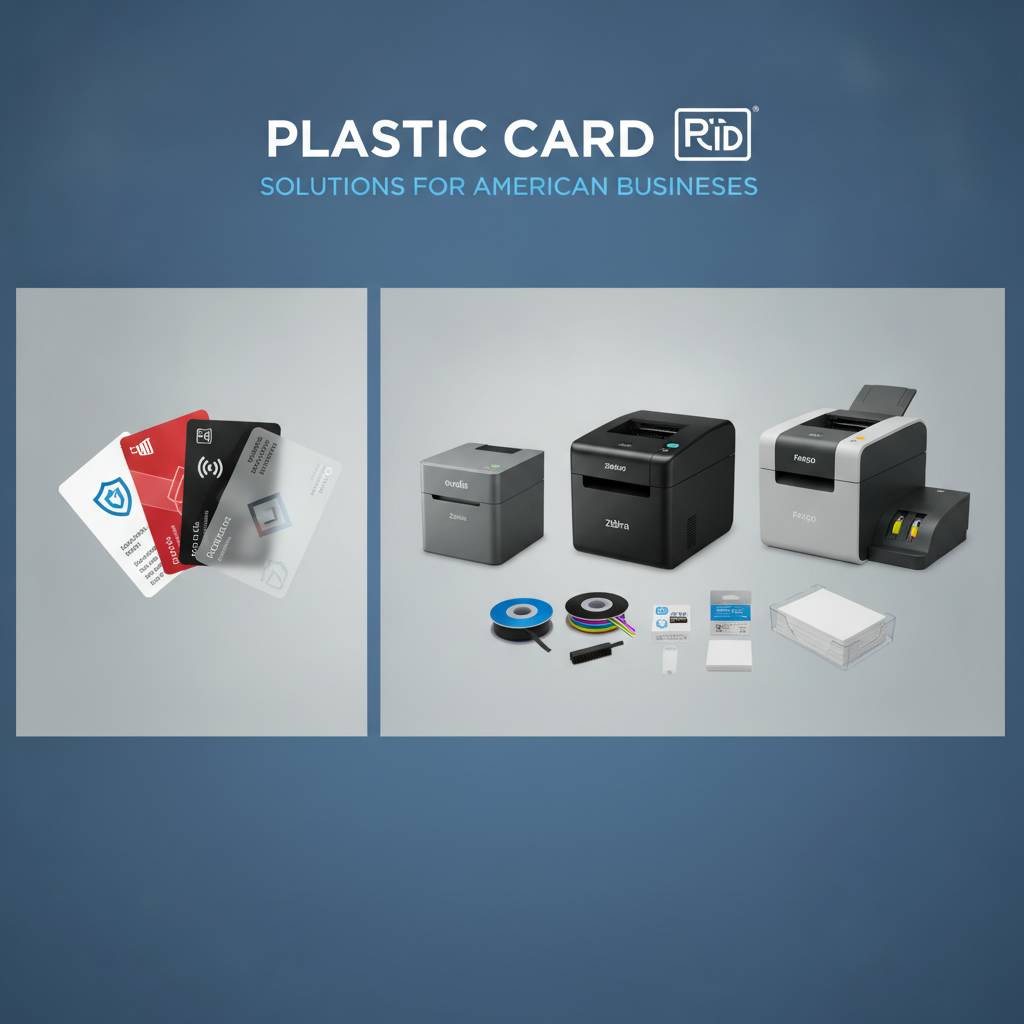 Volume is the single most important variable in any card printer purchase. Buy too little capacity and you'll hit bottlenecks constantly; buy too much and you've overcapitalized on hardware you don't need. Getting the volume match right from the start saves money, frustration, and premature equipment replacement.
The good news is that the market has matured enough to offer well-defined options at each volume tier. There's no need to guess or over-engineer the decision - if you know roughly how many cards you'll print per month, the right hardware category becomes clear almost immediately.
Low-Volume Printing: Under 1,000 Cards Per Year
Small nonprofits, local fitness studios, boutique hotels, community organizations, small schools - these are the operations that don't need industrial capacity. They need a reliable, easy-to-use printer that produces professional-quality results without complexity or significant capital outlay. The Evolis Badgy200 is purpose-built for exactly this scenario.
At this volume tier, ease of use and low cost of entry matter more than throughput speed. The Badgy200 connects simply, runs standard YMCKO ribbons, and produces results that look completely professional. For an organization printing a few hundred cards per year, this printer often handles the job for years without issue.
Call CPE at 800.835.7919 to discuss whether a low-volume model fits your specific print program needs before making any purchase decision.
Mid-Range Printing: 1,000 to 6,000 Cards Per Month
This is where most established businesses land - HR departments, membership organizations, university card offices, corporate security teams, healthcare systems. The Evolis Zenius and Primacy2 occupy this space comfortably, offering dual-sided printing, encoding options, and consistent throughput without requiring industrial infrastructure.
The Primacy2 deserves particular mention for organizations anticipating growth. Its architecture supports module upgrades - add a laminator, a magnetic stripe encoder, a smart chip writer - as your program evolves. You're not locked into the configuration you purchase on day one, which adds real long-term value to the initial investment.
High-Volume and Premium Output Needs
For organizations where card quality is a brand statement - financial institutions issuing premium loyalty cards, luxury hotel groups, high-security corporate campuses - the Evolis Agilia sets the standard. Edge-to-edge printing with no white borders, vivid color fidelity, and output that genuinely looks premium rather than merely functional.
High-volume operations also need to consider input hopper capacity and ribbon yield per roll. Running a high-throughput program with hardware sized for mid-volume creates constant interruptions to reload cards and replace ribbons. Matching hardware capacity to actual operational demand is a detail that significantly affects daily workflow efficiency.
Essential Supplies That Keep Your Card Program Running
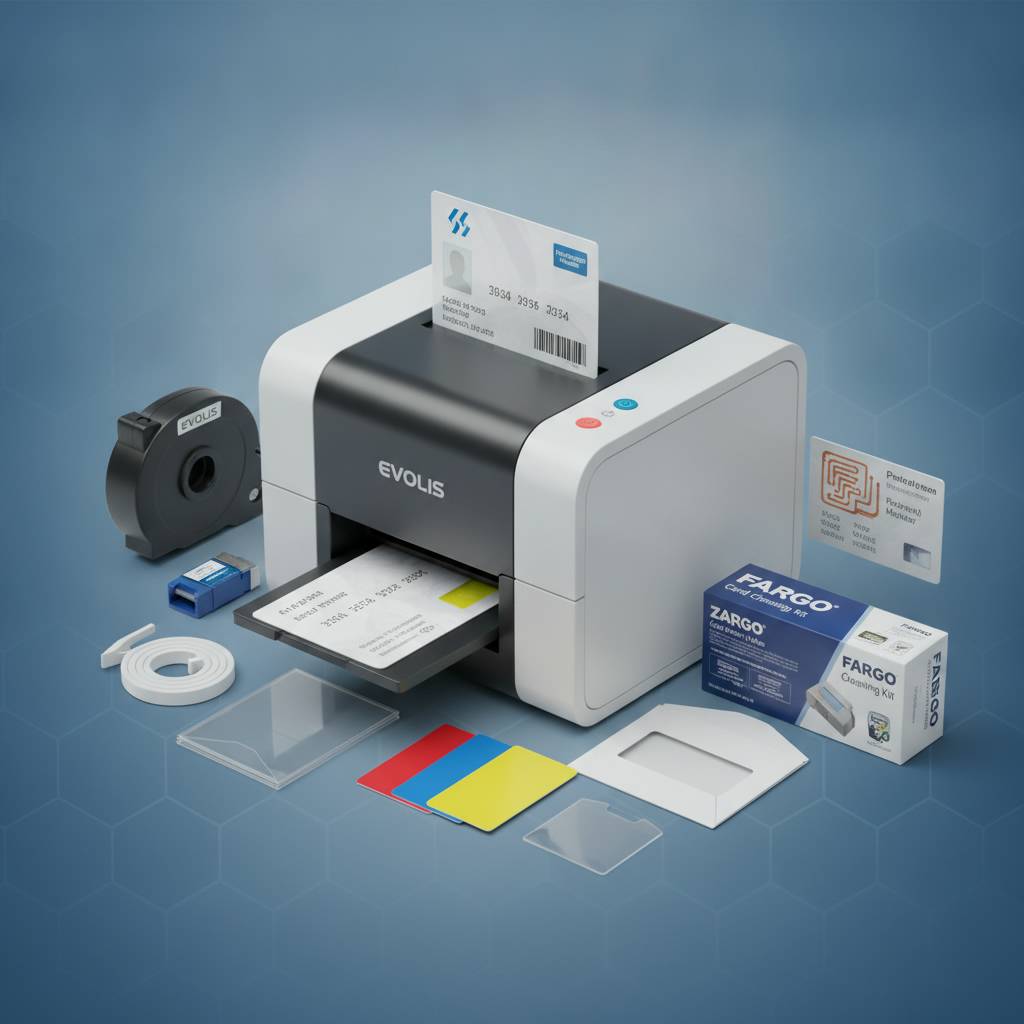 A plastic card printer is only as capable as its consumables. Ribbons run out. Cleaning kits are needed to maintain print head longevity. Lamination modules extend card durability dramatically. The supply chain behind your printer is just as important as the hardware itself - and sourcing everything from a single reliable supplier simplifies the entire operation.
Plastic Card ID supplies the complete ecosystem of consumables and accessories needed to support an active card printing program. This isn't an afterthought in their catalog - it's a core part of their value proposition. Customers don't have to piece together supplies from multiple vendors or risk compatibility issues.
Printer Ribbons: Types and Applications
YMCKO ribbons - yellow, magenta, cyan, black, and overlay - are the standard for full-color card printing. Each panel lays down a layer of color or protection, producing the vibrant photographic output most people associate with professional ID cards. Ribbon yield varies significantly by model, and knowing your cost-per-card on ribbon is essential for accurate program budgeting.
Monochrome ribbons serve a different function. When you're printing black text on a pre-designed card template, or encoding data without full-color graphics, monochrome ribbons deliver faster output and significantly lower cost per card. Specialty ribbons for security printing, holographic overlays, and other applications round out the options for programs with specific requirements.
Cleaning Kits and Maintenance
Print head longevity is directly tied to cleaning discipline. Dust, card debris, and ribbon residue accumulate inside the printer over time and degrade output quality if left unaddressed. Regular cleaning - typically every ribbon change or every few hundred cards - keeps output consistent and extends the life of the print head considerably.
Cleaning kits typically include cleaning cards that run through the printer's card path and cleaning swabs or pads for direct access to rollers and heads. The cost is minimal. The impact on printer lifespan and consistent output quality is substantial. Any serious card program should have cleaning supplies on hand at all times.
Encoding Upgrades, Hoppers, and Card Accessories
Many printers ship in a base configuration that can be expanded with encoding modules for magnetic stripe or smart chip functionality. These upgrades transform a basic printing device into a full card issuance system. Adding magnetic stripe encoding to a mid-range printer enables hotel key card, access control, and loyalty card programs without requiring a separate dedicated encoder.
Input hoppers increase card capacity, reducing the frequency of manual reloads during high-volume runs. Card carriers and sleeves protect finished cards during distribution and storage. These accessories seem minor individually, but together they define whether a card program runs smoothly or constantly interrupts daily operations.
Use Cases Across Industries: Who Needs a Plastic Card Printer
The range of industries relying on plastic card printers is broader than most people initially expect. The technology is mature, accessible, and applicable to virtually any organization that issues credentials, controls access, manages membership, or needs to identify individuals within a structured program.
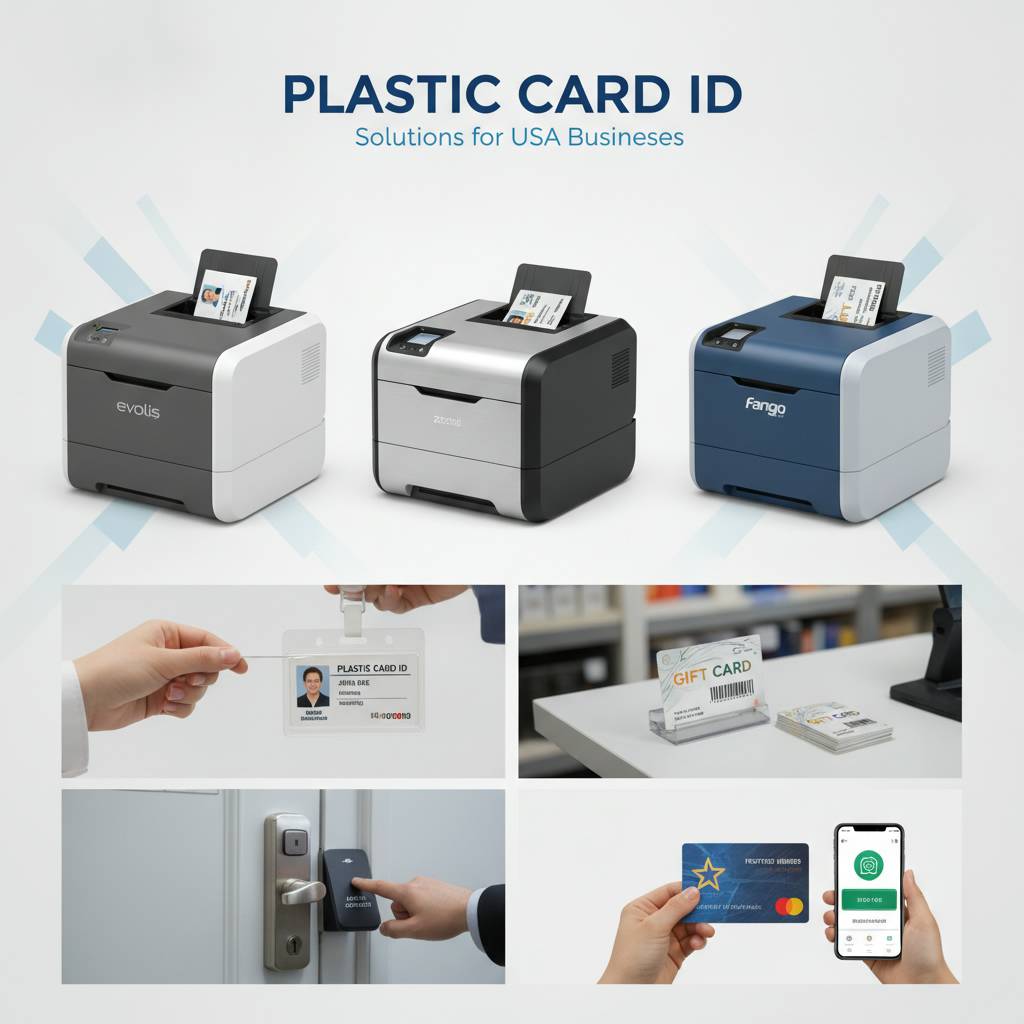
What unites these diverse applications is the need for professional, durable, personalized cards produced reliably and on demand. Whether the card is an employee badge, a hotel key, a student ID, or an event credential, the core requirements are consistent: good print quality, functional encoding, and hardware that performs without constant intervention.
Employee ID and Access Control Programs
Corporate HR departments and security teams printing employee ID cards represent one of the most common use cases. New hire onboarding, replacement cards, contractor badges, visitor passes - these needs arise constantly in any organization of meaningful size. Having in-house hardware means no waiting, no minimum orders, and no delay in getting a new employee properly credentialed.
Access control adds an encoding layer. Cards programmed for proximity readers or magnetic stripe door systems need to carry specific encoded data unique to each cardholder. In-house printing with encoding capability handles this entirely, integrating with most access control software platforms used by facilities management teams.
Membership, Loyalty, and Student ID Programs
Gyms, clubs, libraries, universities, retailers with loyalty programs - these organizations share a common need: issuing large numbers of personalized cards efficiently without prohibitive per-card costs. A mid-range printer like the Evolis Primacy2 handles these programs comfortably. Photo ID, encoded magnetic stripe for point-of-sale or check-in integration, full-color personalization - all within the same print run.
Student ID programs deserve specific mention. Schools and universities issue cards at the start of each academic year, then trickle out replacements and new enrollments throughout the year. A reliable mid-volume printer with a cleaning routine and a steady ribbon supply keeps these programs running without the administrative friction of outsourcing.
Hotel Key Cards and Event Credentials
Hotel properties encoding key cards in-house gain immediate advantages in speed and flexibility. A guest checks in late, a key stops working, a room assignment changes - in-house encoding means resolution in seconds, not a call to a card supplier. The operational efficiency gain in hospitality is immediate and measurable.
Event credentials are a different kind of pressure entirely. Thousands of badges, often needed within a compressed window, with attendees waiting at check-in. The Matica Event Printer addresses this scenario specifically - high throughput, on-site deployment, built for the sprint rather than the marathon.
Frequently Asked Questions About Choosing the Best Plastic Card Printer
 After 25 years and over 100,000 customers, CPE has fielded a lot of questions about card printers. A handful of them come up consistently - and answering them directly tends to cut through confusion faster than any spec sheet.
What Is the Difference Between Single-Sided and Dual-Sided Printing?
Single-sided printers print on one face of the card only. Dual-sided models - sometimes called duplex printers - print both sides in a single pass. Most professional ID cards benefit from dual-sided printing, which allows the front to carry photo and personal information while the back handles barcodes, instructions, magnetic stripe overlays, or additional branding.
The cost difference between single and dual-sided models isn't dramatic, but the functionality difference is significant. If there's any possibility your card program will use both sides of the card - now or in the future - buying duplex capability upfront is almost always the right decision.
How Much Should I Budget for a Professional Card Printer?
Entry-level models suited to low-volume programs typically run $300-$600. Mid-range workhorses with dual-sided printing and encoding options generally fall in the $800-$2,500 range. Premium high-volume systems like the Evolis Agilia represent a larger investment, but one that's justified for organizations with serious throughput and quality demands.
Budget for supplies as well. A year's worth of ribbons, cleaning kits, and card stock for a mid-volume program might add $500-$1,500 annually. Factor this into total cost of ownership calculations, not just the hardware purchase price.
Do I Need Special Software to Run a Card Printer?
Most plastic card printers include basic card design software in the package. For simple ID card programs, this is often sufficient. More complex programs involving database integration, photo capture, encoding, or multi-location management typically benefit from dedicated card issuance software that connects to HR systems, access control platforms, or membership databases.
The Plastic Card ID team can advise on software compatibility for specific printer models. Calling 800.835.7919 before purchasing gives you the opportunity to ask about software integration needs specific to your environment - a conversation that frequently prevents compatibility issues after the fact.
Get the Right Printer the First Time - Plastic Card ID
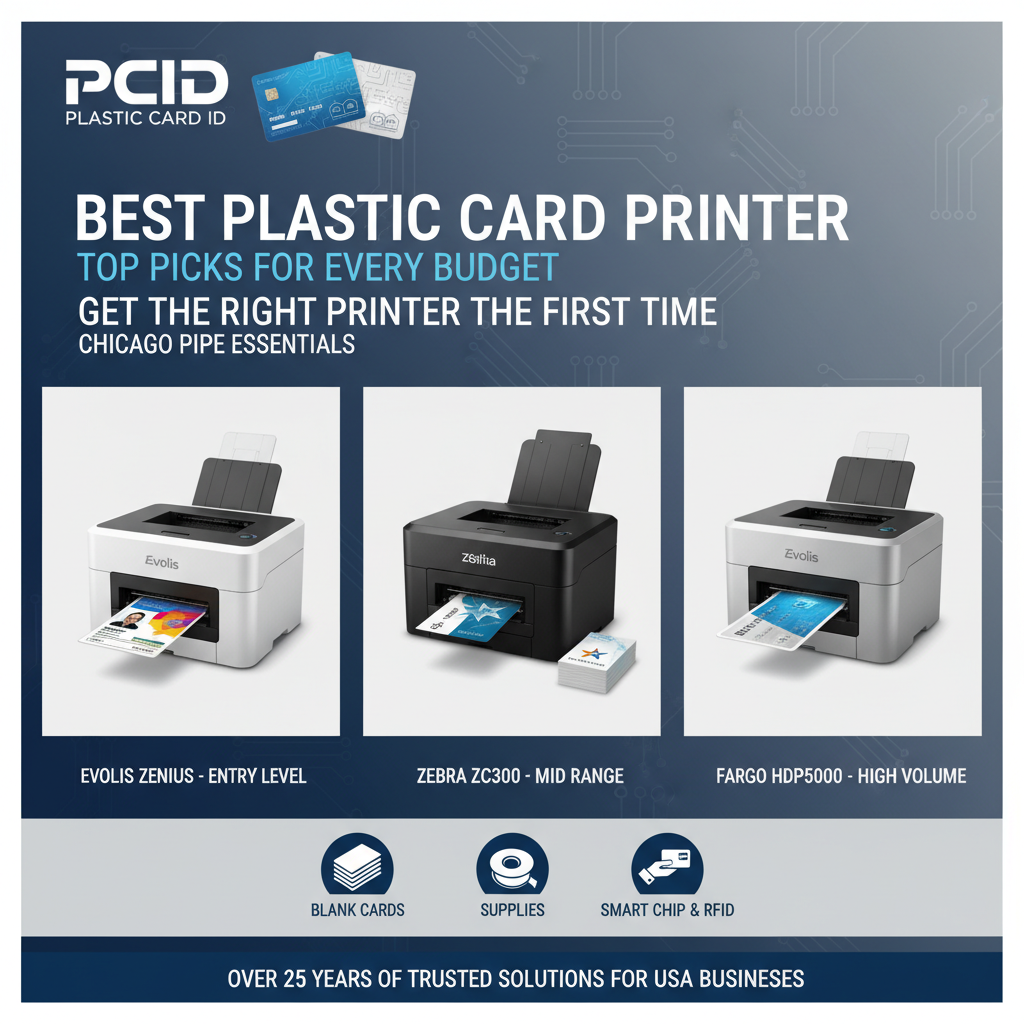 Choosing the best plastic card printer isn't complicated when you have the right guidance and a curated selection of proven hardware to work from. Plastic Card ID brings both - over 25 years of experience, a lineup covering every volume tier and use case, and a team that knows the difference between models well enough to steer you toward exactly the right fit.
From the compact Evolis Badgy200 for small organizations to the high-throughput Matica Event Printer for large-scale credentialing, the right card printer for your program is in this lineup. Add ribbons, cleaning kits, encoding modules, and card accessories from the same source, and your entire card program infrastructure comes from a supplier who knows exactly how it all fits together.
Don't guess on a purchase you'll use every day. Contact Plastic Card ID at 800.835.7919 and talk to a specialist who can match your volume, card type, encoding needs, and budget to the right hardware from the first conversation.
Previous Page